How to Choose the Right Concierge Physician - A 2026 Guide for Family Offices

Not all “longevity experts” are created equal.
Longevity medicine is having a moment. That is the good news and the bad news.
The good news is that more folks, particularly busy executives and family offices, are paying attention to lifestyle, happiness, strength, sleep, healthy aging, and the practical question of how to stay vigorous longer. The bad news is that whenever a field gets hot, all sorts of people rush in. Some are excellent physicians, while others are curious amateurs. Many are entrepreneurs with good branding and very little humility. If you are a family office leader, a wealth manager advising high-net-worth clients, or a successful executive seeking a concierge longevity physician, you need to know how to tell the difference.
It starts with training
I would begin with a criterion so basic that it almost sounds rude to mention it: make sure the person is actually a fully trained physician.
Your concierge doctor should have an M.D. or D.O. But just as importantly, they should have completed a residency. Residency training is how doctors gain clinical experience and learn how to work with patients. Medicine is still, at heart, an apprenticeship. You can read endlessly about lipids, VO2 max, CGMs, peptides, and genome sequencing. Still, there is no substitute for clinical training that forces doctors to make decisions for actual patients dealing with real-world issues.
Be cautious with clever, charismatic figures who became famous before or instead of becoming fully trained clinicians. Peter Attia is the obvious example. He is smart, influential, and has a massive marketing machine built on his connections with the business world, his popular podcast, and his best-selling book Outlive, yet he did not complete residency. To be clear, I’m not arguing that everything he says is wrong. Rather, I don’t want you to confuse public visibility with clinical competence.
Once you clear that hurdle, the next question is whether the physician has genuine credibility in longevity and lifestyle medicine. I do not mean they sprinkled the words on a homepage because “longevity” is fashionable this year. Make sure they’ve done the work. Ensure they have advanced training in specialized fields, such as Lifestyle Medicine. Look for certifications, such as DipABLM, which means they’ve completed their Lifestyle Medicine training and passed comprehensive testing. Moreover, look for doctors who write books, publish research, or speak at respected conferences.
And no, a popular podcast or YouTube channel doesn’t count as credibility.
Philosophy of care
There is a kind of longevity practice that treats every patient as a laboratory rat with a platinum credit card. Endless tests, proprietary supplements, and costly but unproven interventions. In some circles, this is sold as being cutting-edge. Don’t fall for it!
A good physician should be familiar with modern tools. For example, they should understand and leverage biomarkers, body composition, sleep data, wearables, genetics, and the mind-blowing power of AI to make sense of health information. But they should not be hypnotized by them. The best care usually lives in the middle. A mix of traditional wisdom and modern precision, Eastern and Western medicine. Not anti-technology, but not worshipful either.
To put it differently, if your doctor sounds more like a Silicon Valley founder than a physician, be careful.
As with nearly all things, there isn’t a one-size-fits-all solution to longevity. The right concierge longevity physician should meet you where you are, respecting your circumstances and priorities, rather than demanding that you abandon your life to comply with theirs. I gotta tell you, most affluent patients and family offices juggling multiple generations and complex schedules are not looking to become professional biohackers. They want to feel good, think clearly, stay strong, avoid disease, and enjoy their lives. They still want to travel. They still want dinners out. They may still enjoy wine, steak, and a social calendar that would horrify a health optimization absolutist.
A good doctor should work with your lifestyle.
If the physician’s style is rigid, preachy, or doctrinaire, your relationship will eventually fail. Nobody wants to be nagged if they’re not ready or willing to change. A wise doctor knows when to be firm and when to roll with the punches.
In this tier of care, flexibility is part of the package. Affluent clients and family offices often have multiple residences, vacation homes, erratic schedules, heavy travel, security and privacy concerns, and limited tolerance for sitting in a waiting room under fluorescent lights with a clipboard. They may be in Dallas today, Houston tomorrow, and Atlanta over the weekend.
A true concierge longevity physician must be easy to work with. Office visits, house calls, telemedicine, hotel and yacht consults, and coordination while someone is traveling are all part of the game. We must meet your schedule.
One thing to keep in mind, however, is that doctors are only allowed to care for patients who are physically located where they are licensed to practice. For example, if your concierge physician is licensed in Georgia, they may not be able to care for you while you’re vacationing in Vermont. The good news is that many doctors have multiple licenses. If you travel frequently outside of Georgia, be sure to ask your physician where else they’re allowed to practice. As an example, I’m licensed in Georgia, Texas, and California.
More than metrics
Concierge lifestyle medicine cannot be reduced to medical metrics alone. Blood pressure and oxygen levels are important, but there’s more to life. The best physicians in this field should take the time to get to know you and your life goals. We should encourage deep (non-transactional) social relationships and the pursuit of purpose. We should remind you to look at the big picture and understand that money and career aren’t everything. Friends, family, fun, and legacy are even more important.
What about retirement? Your concierge doc should psychologically prepare you for your next phase of life. You need hobbies, adventure, friends, and strength to make the most of your golden years. Will you still feel like you matter after retirement? A real longevity physician should be comfortable helping with both the biological and the human side of aging.
I would also keep an eye on incentives. If the physician is selling their own branded supplements, proprietary lab bundles, and special-order pills and potions, head for the exits. Maybe those products are fine. Maybe not. Medicine becomes more trustworthy when doctors don’t act like used-car salespeople.
The same skepticism applies to many executive physicals, and there are many of these here in Atlanta. They can be useful. They can also be a kind of luxury theater: a whirlwind of scans and blood draws over a day or two, followed by a thick report and very little ongoing relationship. That may satisfy the desire to feel proactive. It is not the same as longitudinal care. Healthspan is usually built in the ordinary weeks afterward, not in the dramatic weekend itself.
Finally, I want to be honest and say it is expensive to do concierge lifestyle medicine well. There is no reason to pretend otherwise. Good concierge longevity medicine requires time, availability, thought, coordination, and customization. You’re paying for access and judgment. Time and availability require small and exclusive patient panels. Just as with a home remodel or a yacht, be prepared to invest.
When you choose a concierge longevity physician, find a doctor (MD or DO with a completed residency), a track record of clinical experience, and a flexible personality that matches your life. They should be able to deploy modern biomarkers and AI without going overboard. Most importantly, find someone you see yourself collaborating with for the long term.
You’ve worked hard. Go and enjoy the life you built. And if you’re a family office, do your principals a favor and connect them with quality concierge medical care. Let’s chat.
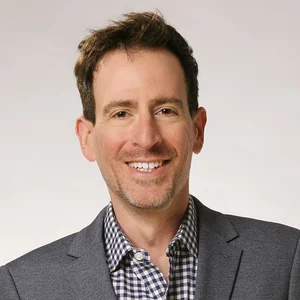
Gregory Charlop, MD, DipABLM, is a Chief Wellness Officer (CWO) and concierge lifestyle and longevity doctor for elite families in Atlanta, Texas, and California. He's a keynote speaker at the Barron's Advisor 100 Summit and a member of the Barron's Hall of Fame. He helps busy middle-aged executives build healthier futures with modern lifestyle design and common-sense lifestyle medicine. Regularly featured on ABC, NBC, FOX, and Forbes, Dr. Charlop is a Georgia-based, Stanford-trained physician, popular conference speaker, and author of four books.
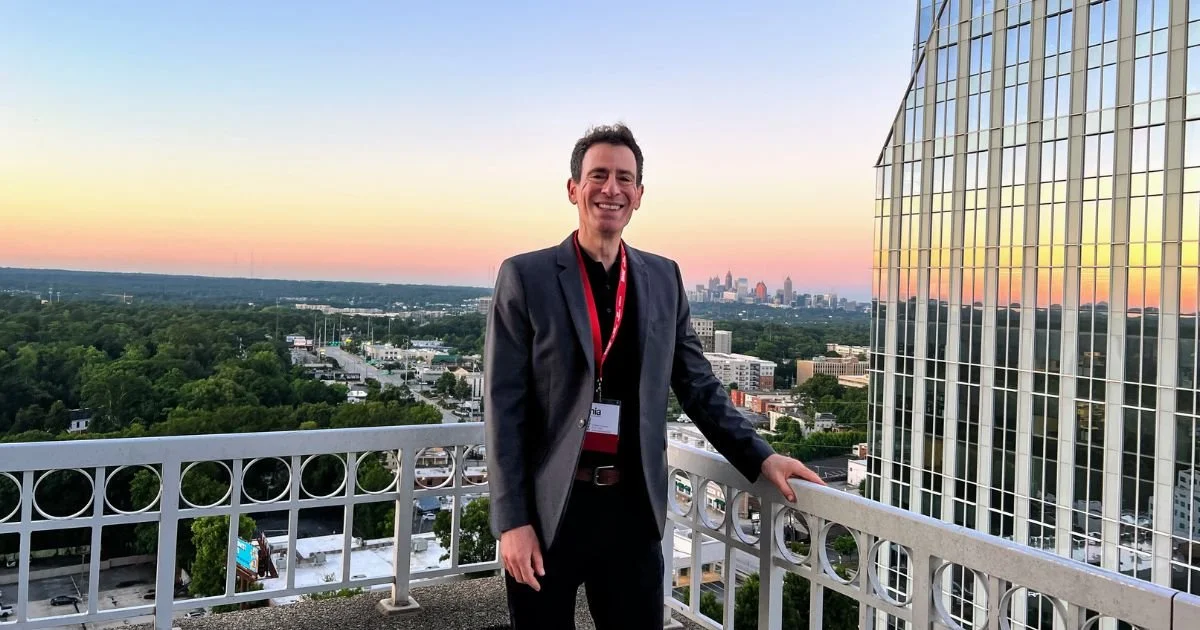
Top concierge physician Gregory Charlop, MD, DipABLM in Buckhead, Atlanta