Founders launch multibillion-dollar businesses but sink their families.
CEOs grow businesses but shrink their life expectancy.
A VC’s late nights (and sleep deprivation) help her seal deals but add to her risk of Alzheimer’s Disease.
We network over drinks with colleagues while our real friends drift away.
We hit 50, and our performance hits a wall.
We are afraid to sell and exit our business because we lack plans for the next chapter. What's retirement?
We rise to the top, enjoy momentary success, and crumble. Humans make catastrophic, yet avoidable mistakes.
In light of the Nvidia Jensen Huang affair, my phone is blowing up. Executives, founders, and family offices from Silicon Valley to Washington, DC, are acutely aware of their mortality and fallibility. Their image of invincibility has been shattered, and they want to protect their human capital from ruin.
Business leaders are surrounded by people yet feel alone. Their most important decisions take place in a vacuum. Isolated decisions are brittle and risky. Whom do you think he consulted before deciding to have an affair with a Chinese spy?
Success and intelligence do not shield you from catastrophic miscalculations, rash judgment, or self-destruction. I would argue that Jensen Huang’s brilliance and accomplishments increased his risk of tragic miscalculation because of overconfidence and lack of peers.
Cognitive scientist Keith Stanovich coined the term dysrationalia for the ability to think and behave irrationally despite adequate intelligence. High-IQ people are not protected from cognitive miserliness, myside bias, or the bias blind spot (the tendency to see bias in others far more readily than in oneself). In some studies, higher cognitive ability is associated with a larger bias blind spot.
Think of it this way: smart people are better at rationalizing their own errors. I could go off on a whole tangent about how our emotional mind decides what we do, while our rational mind's job is to justify what we wanted to do anyway, but I'll save that for another day...
Big News: Physician-Led Life Coaching for Leaders
After years as a longevity physician, lifestyle designer, and human performance expert, I am answering your call for help. For the first time, I’m personally available to help executives and founders navigate life’s tough choices. Health. Relationships. Performance. Aging. Decision-making.
Collaborate one-on-one with me whenever you face a dilemma and have nowhere to turn. From now on, you are no longer working in isolation. I am your trusted voice, confidential thought partner, advocate, and medical advisor.
As James T. Kirk said: Risk, risk is our business. There’s no reason to take needless risks with your health or personal life. Don’t go it alone.
Gregory Charlop, MD, DipABLM, is a Chief Wellness Officer (CWO) and longevity and Retirement Medicine doctor for family offices, founders, and executives. His Decision Superiority Framework, based on lessons from anesthesia, aviation, and the military, helps leaders make the right calls in business and life.
He's a keynote speaker at the Barron's Advisor 100 Summit. He’s been featured on FOX Business, ABC, NBC, FOX, and Forbes. Dr. Charlop is a Georgia-based, Stanford-trained physician, lifestyle designer, and author of four books.
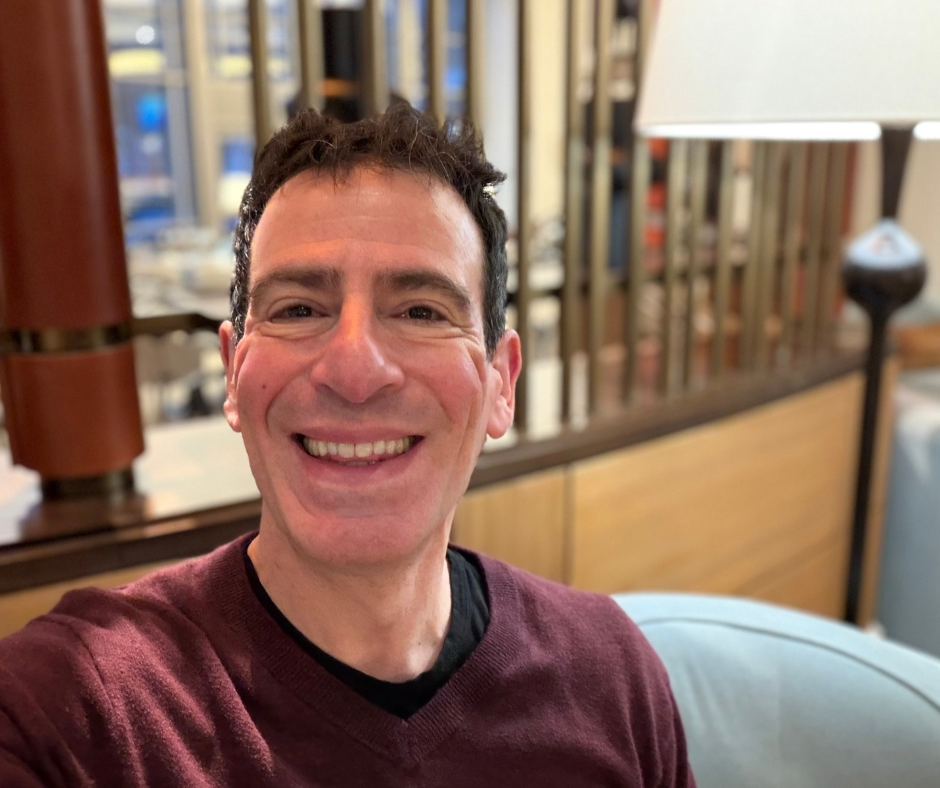
Physician and life confidante, Dr. Gregory Charlop, at the Milken Institute Summit in Washington, DC